

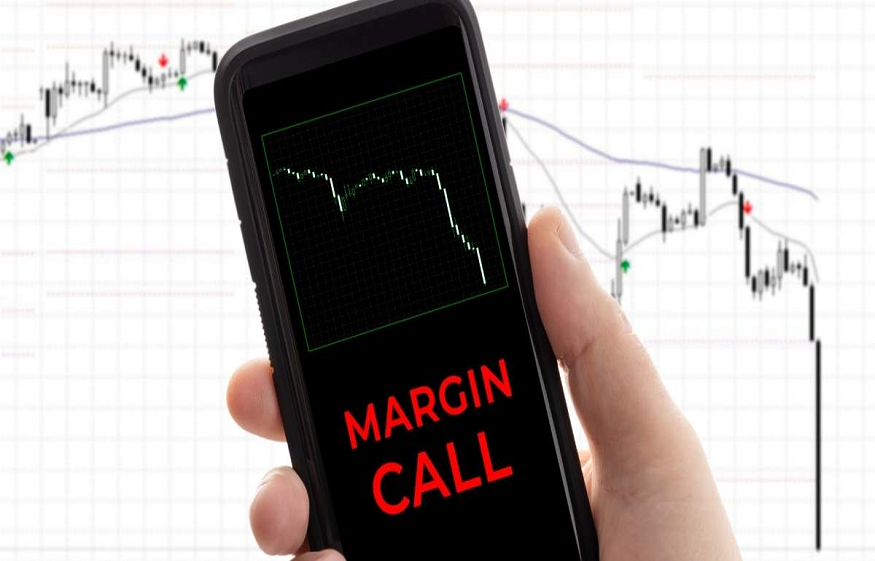
In the world of trading, especially in markets such as forex, stocks, or commodities, leverage can be both a powerful tool and a potential risk. While it allows traders to amplify their positions and potential profits, it also exposes them to significant losses if the market moves against them.
One of the most critical concepts every trader needs to understand is the margin call. Understanding this can mean the difference between a controlled, strategic approach to trading and a sudden, costly liquidation of positions.
Understanding Margin and Its Role in Trading
At its core, trading on margin involves borrowing funds from a broker to open a position larger than the trader’s available capital. This means that instead of investing only their own money, traders can leverage borrowed funds to magnify potential gains. While this sounds enticing, it inherently increases the financial risk. Even a relatively small unfavourable price movement can result in losses that exceed the trader’s initial investment if not carefully managed.
Margin acts as a security deposit for the borrowed funds. Brokers require traders to maintain a minimum level of equity in their accounts to cover potential losses. This requirement is often expressed as a percentage of the total position, known as the maintenance margin. If the trader’s account equity falls below this threshold due to market movements, the broker may issue a margin call.
Read More: Questions Engineers Should Ask Before Sourcing Composite Prepregs
What Is a Margin Call?
A margin call is essentially a warning from the broker that the account equity has fallen below the required maintenance margin. It signals that additional funds are needed to restore the account to an acceptable level, or the broker may close positions to limit losses. For traders, receiving a margin call can be stressful because it often happens quickly, especially in volatile markets.
For a practical understanding of what is margin call is, it is important to recognise that it is not an immediate loss. It is a risk management mechanism designed to protect both the trader and the broker. The call provides an opportunity to deposit additional funds or reduce positions before automatic liquidation occurs.
Factors That Lead to a Margin Call
Market volatility is one of the primary contributors. Rapid price movements, whether due to economic announcements, geopolitical events, or unexpected market shifts, can quickly reduce account equity. Traders using high leverage are particularly vulnerable, as even minor market swings can lead to a significant change in their account balance.
Overleveraging is another critical factor. Traders who commit a large portion of their capital to leveraged positions expose themselves to higher risks. While leverage magnifies profits, it equally magnifies losses. Maintaining a conservative leverage ratio can help reduce the likelihood of a margin call.
Neglecting to monitor open positions can also lead to problems. Trading is not a set-and-forget activity; markets are dynamic, and positions need to be actively managed. Ignoring account balances and margin requirements can result in a sudden margin call when the equity dips below the required level.
Strategies to Avoid a Margin Call
One of the most important approaches is maintaining sufficient free margin. Free margin is the portion of a trader’s funds that is not tied up in active positions and is available to absorb losses. By keeping an adequate buffer, traders can withstand market fluctuations without triggering a margin call.
Using stop-loss orders is another essential risk management technique. These orders automatically close positions when the market reaches a predetermined price, limiting potential losses. By carefully setting stop-loss levels, traders can protect their capital and avoid situations where their account equity falls below the maintenance margin.
Read More: Expert Tips for Office, Industrial, and Commercial Cleaning in Charlotte
Finally, conservative use of leverage is key. While high leverage can increase profits, it significantly raises the risk of losses. Traders who employ moderate leverage levels are less likely to experience sudden account deficits and margin calls.
The Psychological Aspect of Margin Calls
Experiencing a margin call can be stressful and may lead to impulsive decision-making. Traders must develop a disciplined mindset and adhere to a well-defined risk management plan.
Emotional reactions, such as panic selling or doubling down on losing positions, can exacerbate losses. By understanding the mechanisms behind margin calls and preparing in advance, traders can maintain composure and respond strategically.
Conclusion
A margin call is a critical concept in leveraged trading, acting as a safeguard for both traders and brokers. By understanding what is margin call is and recognising the factors that lead to it, traders can implement strategies to minimise risk and maintain control over their investments. Maintaining sufficient free margin, using stop-loss orders, diversifying positions, monitoring account balances, and applying conservative leverage are all practical methods to avoid margin calls.
Ultimately, trading with leverage requires a combination of knowledge, discipline, and proactive risk management. By treating margin calls not as threats but as signals to reassess and manage positions, traders can navigate volatile markets with greater confidence and resilience. Through careful preparation and consistent monitoring, the risk of a margin call can be substantially reduced, allowing traders to pursue their financial goals with a well-balanced approach.